1. What is DSCSA?
The Drug Supply Chain Security Act, signed into law on November 27, 2013, outlines steps to achieve interoperable, electronic tracing of Rx drugs at the package level to identify and trace certain prescription drugs as they are distributed in the United States. These requirements enhance the FDA’s ability to help protect consumers from exposure to drugs that may be counterfeit, stolen, contaminated, or otherwise harmful. Implementation of these requirements will also improve the detection and removal of potentially dangerous drugs from the drug supply chain to protect U.S. consumers.
2. What traceability changes will be implemented?
DSCSA Transaction Information will change from lot-based to serial-based transactions. Currently, DSCSA transactions are traced at the lot level with a transaction history and a transaction statement.
On November 27, 2025, in addition to the previous requirements for DSCSA transaction information, the DSCSA will require that the serialized product identifier information be added to the DSCSA Transaction Information.
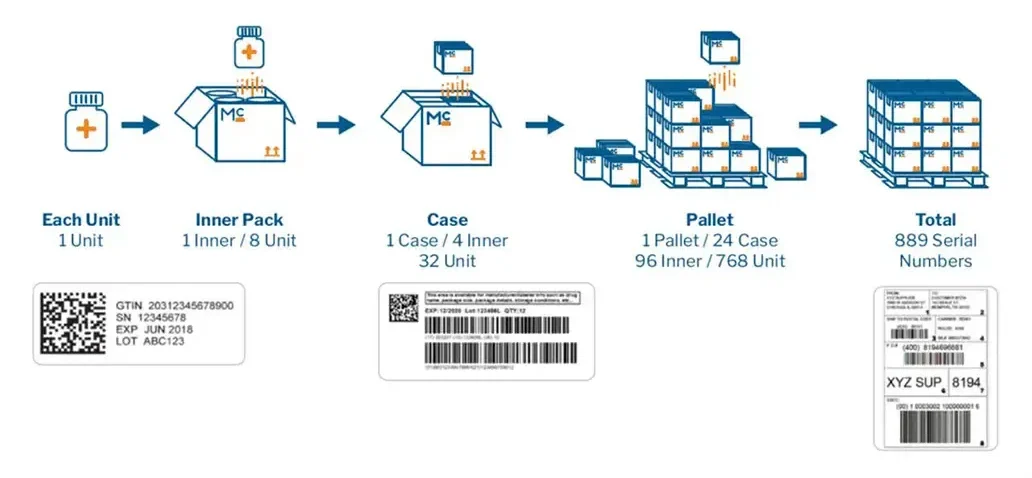
ADITUS Pharma, Ohio LLC will use the FDA-recommended Electronic Product Code Information Services (EPCIS) standard to provide and maintain the data associated with transaction information and transaction statements
3. How will products/items and trading partners be identified in the interoperable electronic exchange?
GS1 standard identifiers will be used for product and party/location identification in the interoperable electronic exchange.
4. Which drugs fall under the DSCSA requirements for product tracing, product identifier, authorized trading partner, and verification?
DSCSA requirements do not apply to nonprescription drugs (over-the-counter drugs) or animal drugs (drugs subject to section 512 of the Food Drug & Cosmetic Act (FD&C Act)). Drugs that fall under the DSCSA requirements are defined by the FD&C Act. Product tracing, product identifier, authorized trading partner, and verification requirements in Section 582 of the FD&C Act apply to product as defined by Section 581(13) of this Act. Product means “a prescription drug in finished dosage form for administration to a patient without substantial further manufacturing (such as capsules, tablets, and lyophilized products before reconstitution).”
The section 582 requirements do not apply to:
There are also exclusions, refer to the definition of transaction noted in section 581(24) of the FD&C Act. This list of applicable DSCSA drugs is dynamic and is subject to change.
5. Will requirements for saleable returns change?
Yes, DSCSA creates additional obligations on distributors for saleable returns of DSCSA in-scope products.